Image
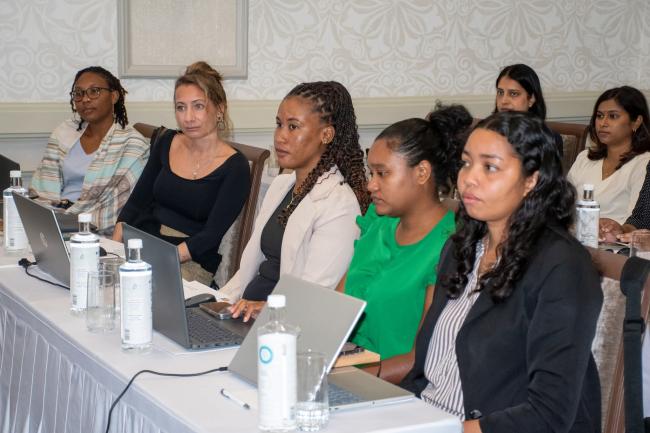
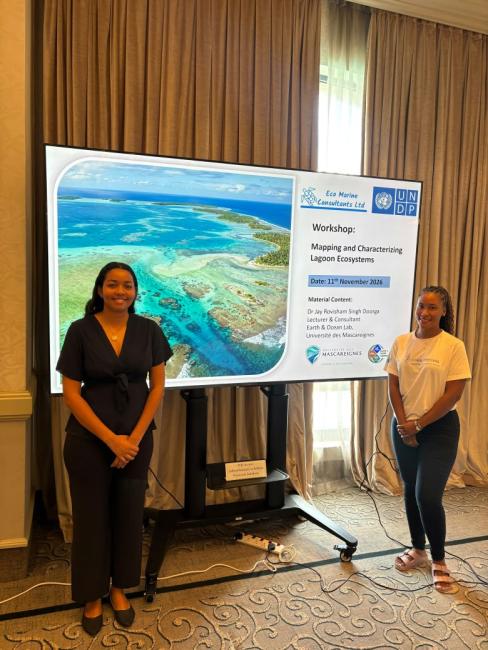
SPGA is currently being represented in Port Louis, Mauritius, for a four-day regional training workshop, running from 10 to 13 November 2026. The workshop looks at how habitat mapping and habitat suitability modelling can help decide where coral reef restoration will work best.
The United Nations Development Programme (UNDP) is running the training which brings together coral reef practitioners from Seychelles, Mauritius and Rodrigues. SPGA is represented by Scientific Diver and Team Leader of the Coral Restoration Project, Ms. Aishah Fanchette and Assistant Park Officer, Ms. Shazelle Julie.
They are part of a Seychelles group that also includes the Ministry of Environment, Climate, Energy and Natural Resources (MECENR) and the Marine Conservation Society Seychelles (MCSS), alongside counterparts from Mauritius and Rodrigues.
The training is part of the Adaptation Fund-financed project Restoring Marine Ecosystem Services by Rehabilitating Coral Reefs to Meet a Changing Climate Future which SPGA is also a beneficiary. UNDP is carrying out the project in Seychelles and Mauritius with national authorities, NGOs and coastal communities. The aim is to help coral reefs, and the people who rely on them, cope better with a warming ocean.
The workshop is built around one practical question: where are transplanted corals most likely to survive and thrive? Participants are learning to answer it by combining satellite imagery, Geographic Information Systems (GIS), underwater field surveys and environmental data. Together, these show which marine habitats exist and which areas have the best potential for restoration.
SPGA manages Seychelles' marine national parks, so these skills are directly useful in our day-to-day work. Better habitat maps and site-suitability tools will help our team plan restoration, monitor reef health over time and adjust management as conditions change. The workshop is also a chance for practitioners from neighbouring islands, who face similar pressures on their reefs, to share what they have learned.